
Conference Program
Program at a Glance
View External Source Page ↗Program Overview
Hover a session to preview its room. Click to keep that room highlighted.
Daily Schedule
Click day tabs to switch and click each session title to open the execution link.
Plenary Panel Session
Smart Systems: The Impact of Generative and Adaptive AI on Modern Automation
Time: 16:00–17:30, June 18, 2026 · Venue: Assembly Hall
The theme of IEEE ICCA 2026 plenary session revolves around Smart Systems: The Impact of Generative and Adaptive AI on Modern Automation. We are privileged to have distinguished experts and educators in this field join our panel, where they will share their expertise, insights, and visions.
Together, we will delve into the challenges facing research in control and automation, both current and emerging. Through direct dialogue with these esteemed panelists, our goal is to gain a deeper understanding of fundamental issues and emerging trends in the field.
Furthermore, this panel will serve as a platform for exchanging ideas and engaging in discussions on broader topics in control and automation. It also provides an invaluable opportunity for the audience, especially students and junior researchers, to glean insights from senior members of our community on challenges commonly encountered in the early stages of our careers or studies.
- Professor Ben M. Chen, The Chinese University of Hong Kong, China
- Professor Jifeng Zhang, The Chinese Academy of Sciences, China
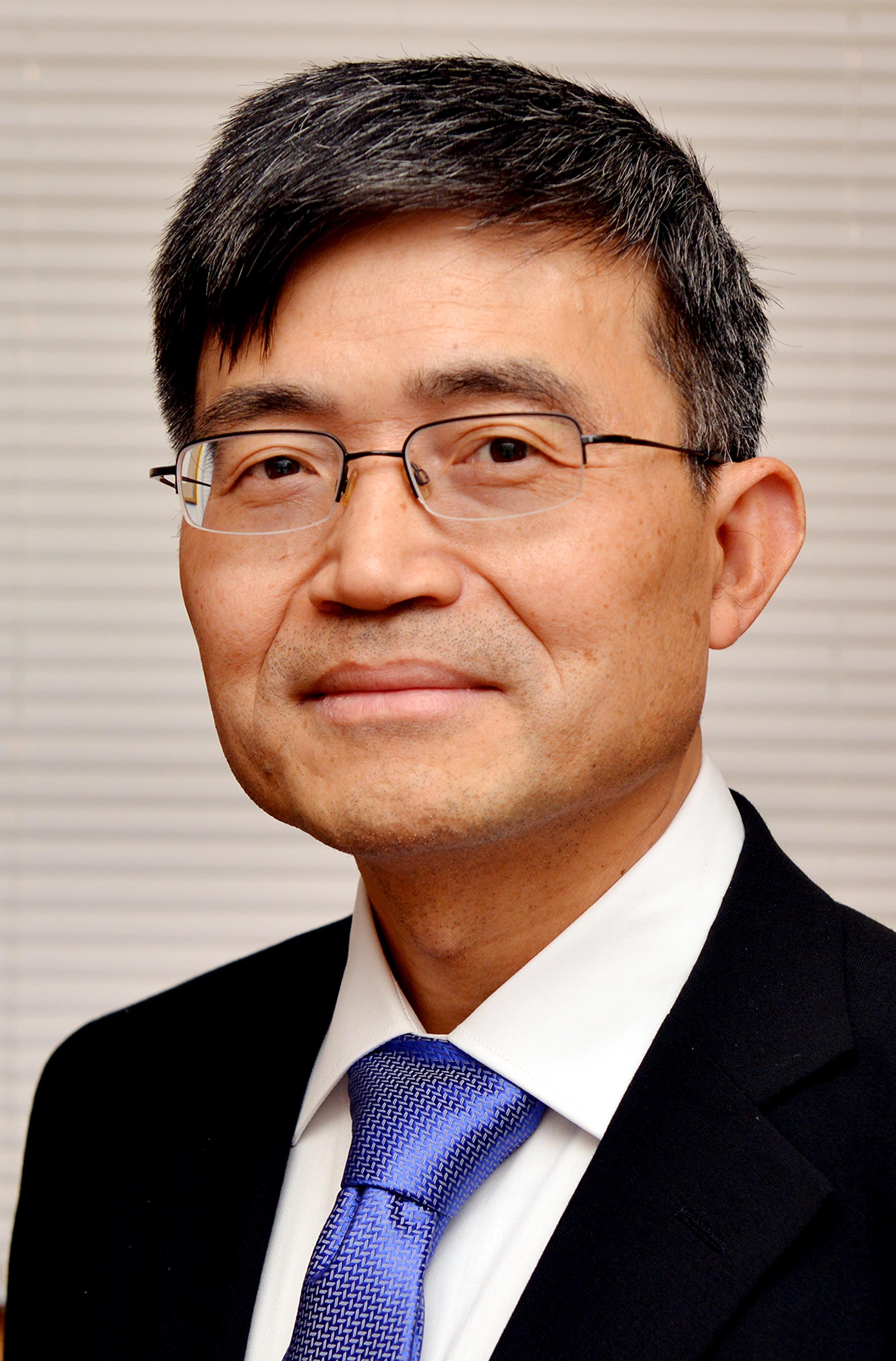
Dr. Zhong-Ping Jiang received the M.Sc. in statistics from the University of Paris XI, France, in 1989, and Ph.D. in automatic control and mathematics from ParisTech-Mines, France, in 1993. He is currently an Institute Professor in the Department of Electrical and Computer Engineering at the Tandon School of Engineering, New York University. His main research interests include stability theory, robust/adaptive/distributed nonlinear control, robust adaptive dynamic programming, reinforcement learning and their applications to information, mechanical, transportation and biological systems. Professor Jiang currently serves the IEEE Intelligent Transportation Systems Society’s Board of Governors and leads the Distinguished Lecturer program. He has served as Deputy Editor-in-Chief, Senior Editor and Associate Editor for numerous journals. He is among the Clarivate Analytics Highly Cited Researchers and Stanford’s Top 2% Most Highly Cited Scientists. In 2022, he received the Excellence in Research Award from the NYU Tandon School of Engineering. Prof. Jiang is a foreign member of the Academia Europaea (Academy of Europe) and an ordinary member of the European Academy of Sciences and Arts, and also is a Fellow of the IEEE, IFAC, CAA, AAIA and AAAS.
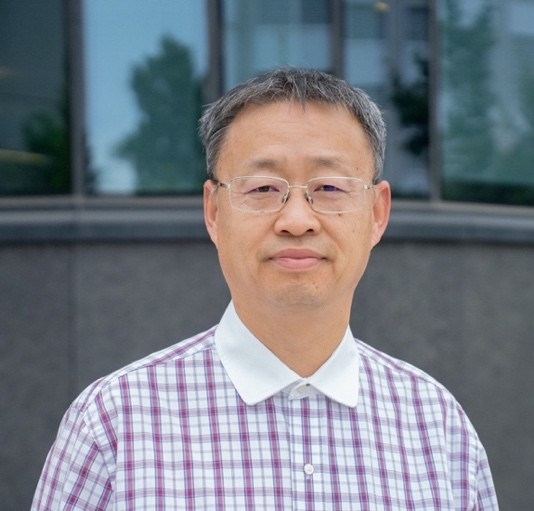
Dr. Jinjun Shan is a Full Professor of Space Engineering at the Department of Earth and Space Science and Engineering, York University. He is the founding director of Spacecraft Dynamics Control and Navigation Laboratory (SDCNLab) at York University. He received his Ph.D. degree from Harbin Institute of Technology, China, in 2002. His research progress is demonstrated through over 240 peer-reviewed journal and conference publications and 2 issued patents. Prof. Shan’s accomplishments in research and engineering education have seen him recognized with prestigious recognitions such as the Fellow of Canadian Academy of Engineering (CAE), the Fellow of Engineering Institute of Canada (EIC), the Fellow of American Astronautical Society (AAS), and a member of European Academy of Sciences and Arts (EASA).
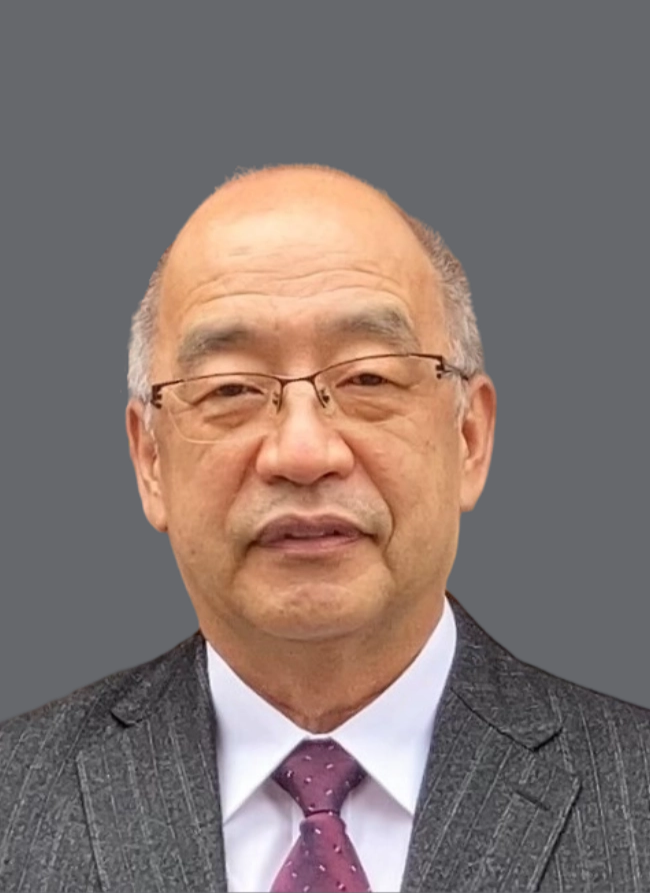
Dr Tielong Shen received his Ph.D. from Sophia University in March 1992. In April of the same year, he joined the Department of Mechanical Engineering, at Sophia University, Tokyo, as an assistant professor. He was subsequently promoted to Associate Professor, Professor, and Specially Appointed Professor, and also served as Director of the Institute for Environment and Society. Since April 2024, he has been an Emeritus Professor of Sophia University, and Distinguished Professor at the School of Control Science and Engineering, Dalian University of Technology. Professor Shen’s research focuses on control theory of dynamical systems and its applications to mechatronic systems and automotive powertrain systems. He has been actively involved in academic service in the field of automatic control worldwide. He served as the General Chair of the 2015 and the 2021 Annual Conference of Society of Instrument and Control Engineers (SICE), Japan. He also served as General Chair of the 6th and 7th IFAC ECOMS. Over the past two decades, Professor Shen has continuously led multiple major research projects funded by the JSPS. He has also directed several international collaborative projects supported by the JST, including China–Japan and China–Japan–Korea cooperative programs. Furthermore, he has maintained long-term industry–academia collaborations with Toyota Motor Corp. and other Japanese automotive companies, focusing on the development of optimization-based control strategies and theoretical methods for automotive powertrain systems. In recognition of his contributions, Professor Shen received the 8th Outstanding Contribution Award at the Chinese Control Conference in 2021. He is a former Director of Society of Instrument and Control Engineers, Japan, and has been elected as a SICE Fellow.
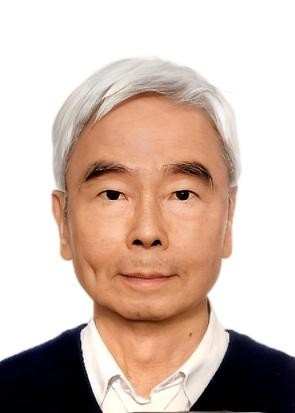
Professor C. P. Wong is a Regents’ Professor and the Charles Smithgall Institute-Endowed Chair at Georgia Tech. He is also an Emeritus Professor of The Chinese University of Hong Kong and a foreign number of the Chinese National Academy of Engineering. After his doctoral study from the Pennsylvania State University, he was awarded a two-year postdoctoral fellowship with Nobel Laureate Professor Henry Taube at Stanford University. Prior to joining Georgia Tech, he was with AT&T Bell Laboratories for also 20 years and became an AT&T Bell Laboratories Fellow in 1992. His research interests lie in the fields of materials for solar energy harvesting, energy storage and microelectronic packaging. Professor Wong has published widely with over 850 peer reviewed journal papers, 1,200 Conference Proceedings papers and 12 books. He is listed as one of the Highly Cited Researchers Award (Released by Clarivate) in 2018, 2019, 2020 and 2021. His H-index is 100. He holds over 65 US patents and has made significant contributions to the industry by pioneering new materials that fundamentally changed semiconductor packaging technology. Professor Wong was awarded numerous international honors, such as the AT&T Bell Labs Fellow Award in 1992, the IEEE Third Millennium Medal in 2000, the Georgia Institute of Technology Class of 1934 Distinguished Professor Award in 2004, the IEEE Components, Packaging and Manufacturing Technology Field Award in 2005, the IEEE EPS Society Outstanding Sustained Technical Contributions Award in 1995, and the International Dresden Barkhausen Award (Germany) in 2012.
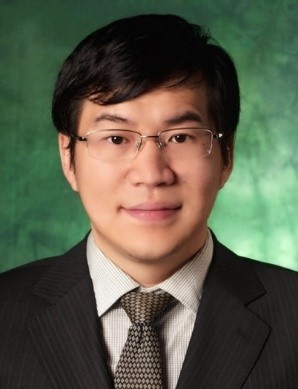
Dr. Tao Yang is a Professor at Northeastern University, China, a Changjiang Scholar Distinguished Professor, and a National High-level Youth Talent. He earned his Ph.D. from Washington State University in 2012. Before joining Northeastern University’s State Key Laboratory of Synthetical Automation for Process Industries in 2019, he held research and faculty positions at the KTH Royal Institute of Technology (Sweden), the Pacific Northwest National Laboratory (USA), and the University of North Texas (USA). Professor Yang is an IET Fellow. His research focuses on distributed cooperative control and optimization, industrial artificial intelligence, and the integration of intelligent optimization and control. He has led multiple Key and Major projects funded by the National Natural Science Foundation of China (NSFC) and the National Key R&D Program. Dr. Yang has authored over 100 journal papers, including more than 50 in IEEE Transactions and IFAC journals. His accolades include the National Teaching Achievement Award for Higher Education (Second Prize, 2022) and the Chinese Association of Automation (CAA) Natural Science Award (Second Prize, 2023). Dr. Yang actively serves the academic community as the Deputy Editor-in-Chief of Acta Automatica Sinica and as an Associate Editor for IEEE TCST, IEEE TCNS, and IEEE TNNLS. He also chairs the CAA Big Data Technical Committee and serves on multiple technical committees within IEEE CSS, IEEE IES, and IFAC.
Plenary Talks
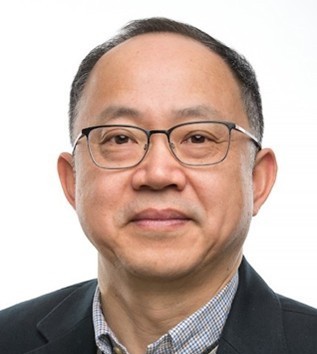
Toward Next-Generation Alarm Systems: Alarm Data Analytics and Early Fault Diagnosis
In operating industrial facilities, alarm systems are configured to notify operators about any abnormal situation. The industrial standards (EEMUA and ISA) suggest that on average an operator should not receive more than six alarms per hour. This is, however, rarely the case in practice as the number of alarms each operator receives is far more than the standard. There exist strong industrial needs and economic benefits for better interpreting and managing alarms, and redesigning alarm systems to reduce false and nuisance alarms and increase the alarm accuracy. In this talk, we plan to summarize our recent work in this new area, targeting an intelligent and data-based approach, called “alarm data analytics,” and presenting a new set of advanced tools for alarm visualization, performance evaluation and analysis, alarm rationalization design, alarm flood classification, and root cause diagnosis, thereby to help industrial processes to comply with the new standards. The tools have been tested with real industrial data and used by process engineers in Canada and elsewhere.
Tongwen Chen is currently a Professor and Tier 1 Canada Research Chair in Intelligent Monitoring and Control at the University of Alberta, Canada. He received the BEng degree in Automation and Instrumentation from Tsinghua University, and the MASc and PhD degrees in Electrical Engineering from the University of Toronto. His research interests include computer- and network-based control systems, event-triggered control, advanced alarm management and design, and their applications to the process industry. He is a Fellow of IEEE, IFAC, the Royal Society of Canada, the Canadian Academy of Engineering, as well as the Chinese Association of Automation.
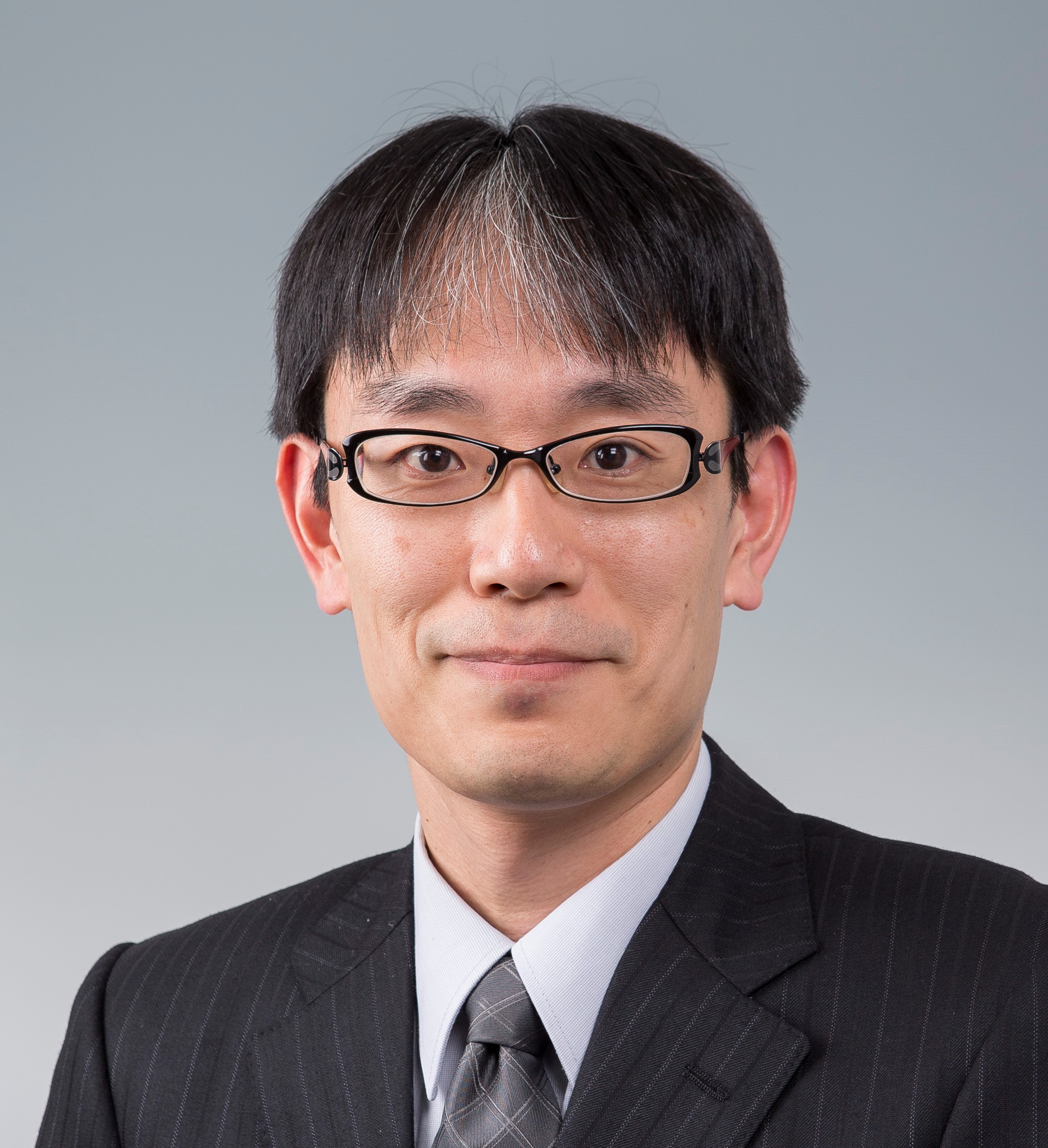
Designing the Future Society with AI Robots by Backcasting from 2050
In recent years, Japan has increasingly emphasized the importance of envisioning the society we wish to realize by 2050 and then backcasting from that vision to identify the technologies we should develop today. Two prominent embodiments of this perspective are the Robot Industry Vision 2050 recently issued by the Japan Robot Association and the Moonshot R&D Program led by the Japanese Cabinet Office, both of which place humans, society, and the environment at the core of future robotics and automation. Building on this philosophy, I will first introduce our work in the Moonshot R&D Program (Goal 3), where we are developing a collective of adaptable AI-enabled robots that co-evolve with humans and nurture users' self-efficacy, illustrated by recent outcomes such as the Robotic Nimbus — a conceptual vision of future robots that flexibly change their form and function to support diverse users. I will then present our research on garment handling conducted under the InnoHK initiative in Hong Kong, focusing on dual-arm robotic manipulation for flexible clothing manufacturing. Finally, I will reflect on what unites these domains — the human at the center — and discuss how our community can co-design a vibrant, inclusive future society.
Yasuhisa Hirata is a Professor in the Graduate School of Engineering at Tohoku University, Sendai, Japan. He received his B.E., M.E., and Ph.D. degrees in mechanical engineering from Tohoku University in 1998, 2000, and 2004, respectively. His research interests include human–robot interaction, multi-robot coordination, and factory automation. He serves as a Project Manager of Japan's Moonshot R&D Program. He has also served as an Administrative Committee (AdCom) member of the IEEE Robotics and Automation Society (RAS) and currently serves as Chair of the IEEE RAS Technical Committee Cluster on Health and Medical Robotics.
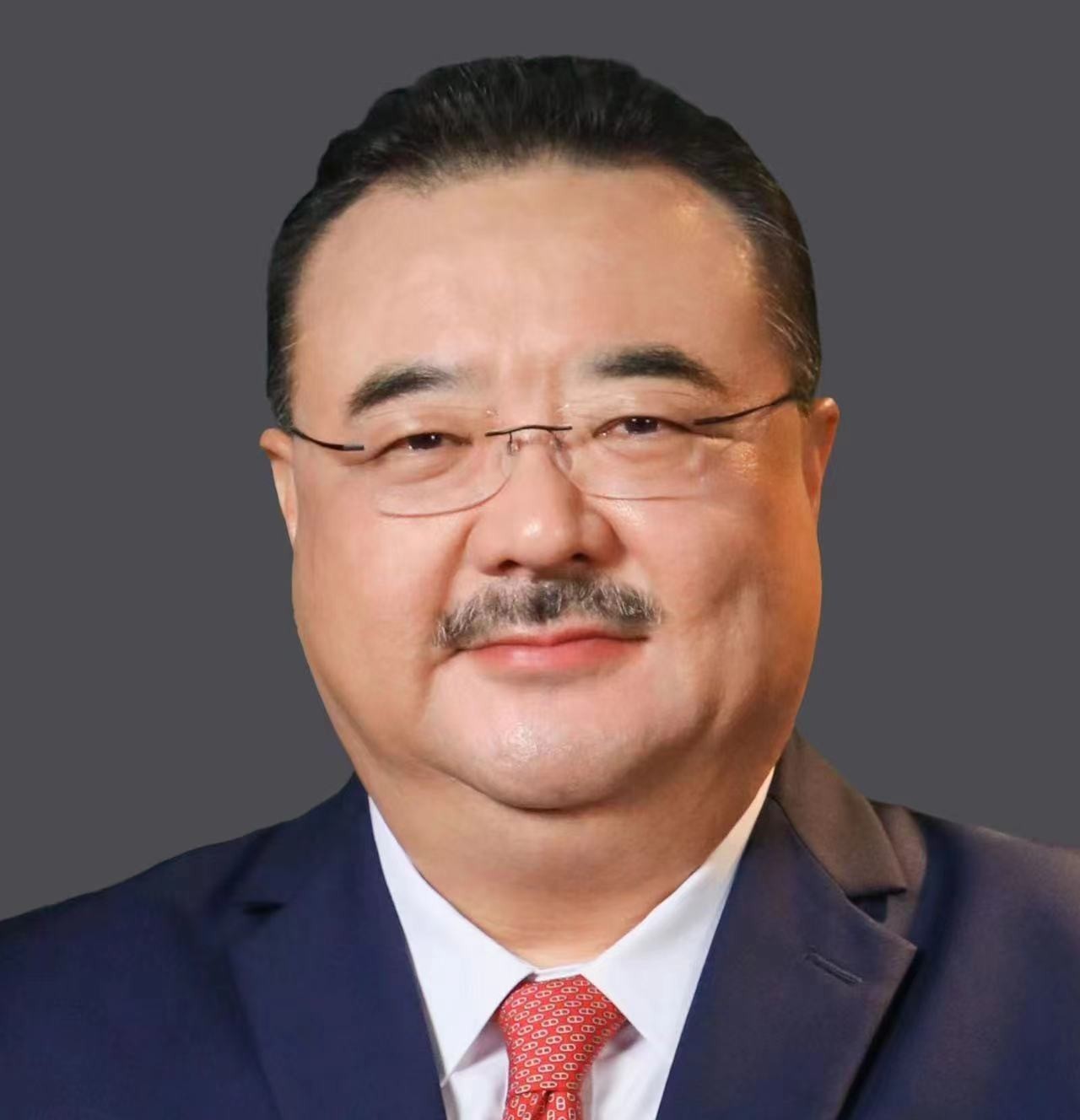
Why LLM + Humanoid Robots Not Working As Expected?
At the cutting edge of artificial intelligence and biomimetic robotics, why does the combination of Large Language Model (LLM) plus humanoid robots still fall short of expectations and fail to be effectively deployed in practical applications? Drawing on the speaker’s forty years of innovation experience and study in the field, this lecture reviews the past to gain new insights. It explores the current difficulties and obstacles facing AI and discusses how to maximize the enormous dividends brought by AI and biomimetic robots, before looking ahead to the future development trends of intelligent robots as well as the opportunities for innovation and the strategies and tactics to seize them.
Dr. Meng is Chair Professor and Head of EE Department at Southern University of Science and Technology, Fellow of Canadian Academy of Engineering and IEEE. Formerly a tenured professor at the University of Alberta in Canada and Head of EE Department at Chinese University of Hong Kong. He specializes in robotics perception and intelligence. Ranked in the global top 2% of scientists by Stanford, he has published over 1,000 papers, holds 100+ patents, and won 30+ awards, including the IROS Harashima Award. He has led 60+ research projects (¥100M+) to completion, delivered 200+ plenary talks, and serves as editor for leading journals, including founding Editor-in-Chief of Biomimetic Intelligence and Robotics published by Elsevier. He was the General Chair of the flagship conferences in robotics and automation: IEEE/RSJ IROS 2005 and IEEE ICRA 2021.